It goes without saying that dental implants have been a revolutionary solution for people with missing teeth.
These oral appliances have transformed the landscape of tooth replacement, offering stable oral health and renewed smiles to nearly 3 million individuals in the USA. However, much like other appliances and their applications, dental implants also have certain limitations.
In this blog, we take a closer look at the risks associated with implants via topics like:
So continue reading as we learn more about some common issues and their solutions, suggested by experts of TX dental implants, in the following sections.
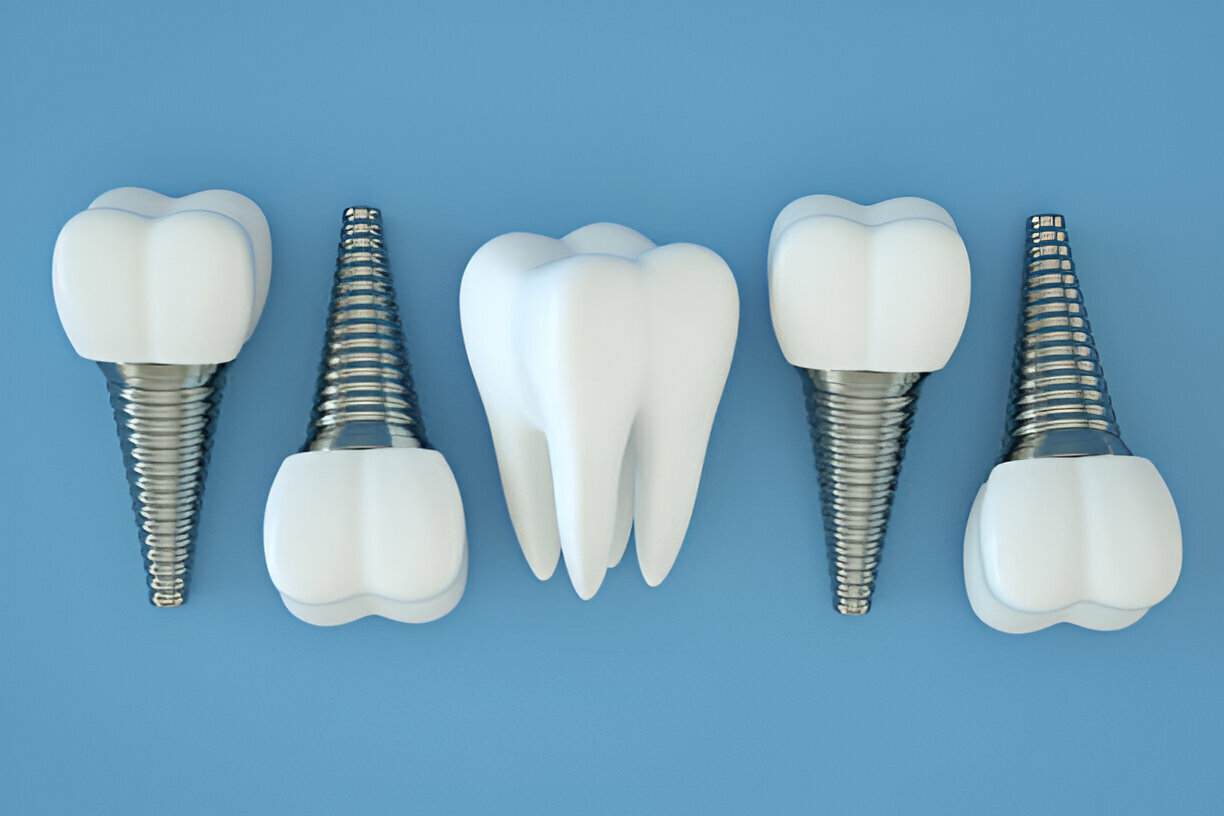
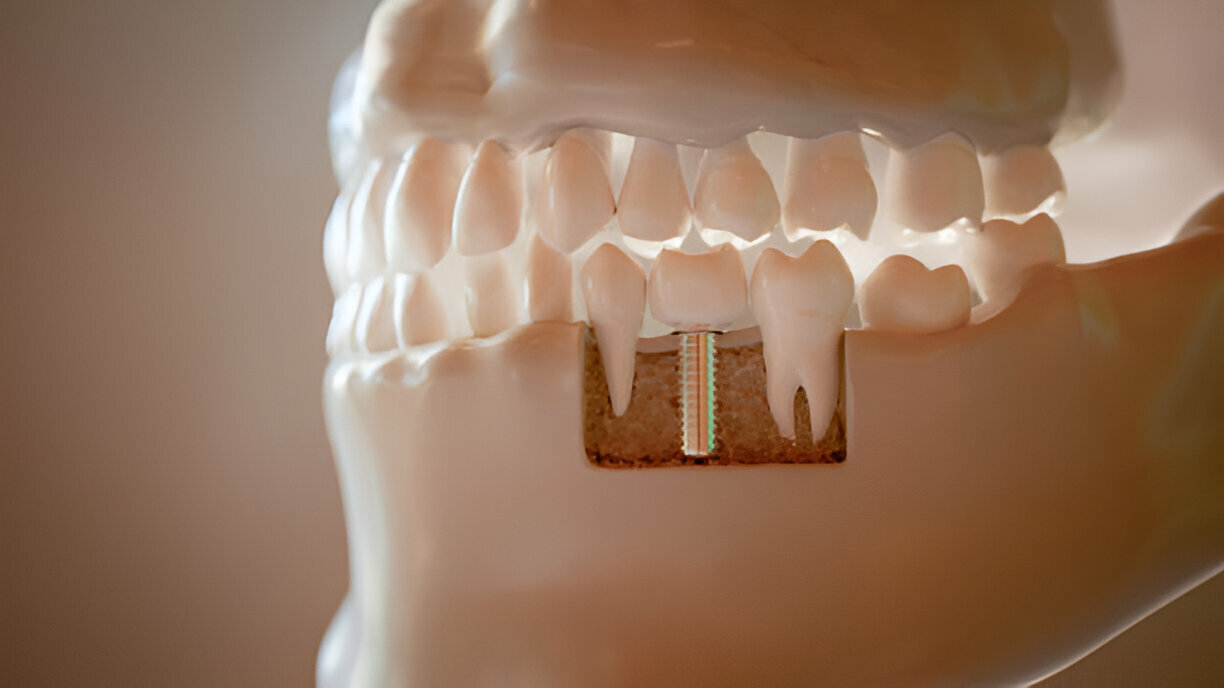
Dental implants are a high-tech solution for replacing lost teeth. During the implant procedure, a titanium screw is used to replace your natural tooth root and bond it to your jawbone. This titanium “root” acts as an anchor for a dental treatment, usually a crown, bridge, or dentures.
These permanent remedies can not only improve the appearance but also enhance your chewing and speaking abilities. Even better, they do not develop cavities (but still require regular care to avoid other issues)!
There are several reasons why your dentist might suggest opting for dental implants. Some of them include:
Tip: If you’re considering implants, talk to your dentist about your risk factors. They should detail the likelihood of success and assist you in determining if the operation is advisable for your specific requirements.
According to the experts at Navarro Dental in Corsicana, TX, implants are safe, with just a 5% possibility of rejection. Although these concerns are typically minor and may be managed by your dentist, issues can occur.
Complications surrounding implants include:
The entire process of having dental implants can take several months, which includes tooth extraction, healing, preparation, implantation, and restorative placement. As a result, it is critical that you maximize your chances of effective healing and implant integration with your native bone.
Nerve or tissue damage surrounding the implant site is another possible complication of dental implants. This problem is rare, but when it does occur, it can be uncomfortable and negatively impact feeling, comfort, and general oral health. It can result from infection, inflammation, surgical trauma, or misplaced implants.
Nerve injury during surgery can cause temporary or permanent sensory abnormalities. Preventive methods such as intraoperative nerve monitoring or precise surgical planning reduce this risk.
Sinus Problems
Dental implants, in exceptional cases, may result in sinus problems, especially in the upper jaw, which is home to the maxillary sinuses. Often referred to as “sinusitis” or “sinus issues due to dental implants,” this condition may be of concern.
Sinus problems may arise if there is insufficient bone between the sinus chamber and the implant or if the implant punctures the sinus floor during insertion. Infections around the implant may also potentially result in sinus problems.
An ice pack placed on your face will help reduce swelling and bruising. This should last for at least 48 hours. Please call the office if you have significant swelling or a temperature of 101.5 or above. It is normal for your face to feel swollen or bruised for two to three weeks following surgery.
Some pain is expected after oral surgery. During the discharge process, specific medication instructions will be provided (Please take the medication as prescribed during this phase). It is often helpful to take the medicine after eating to avoid nausea. Avoid driving when using narcotic pain relievers.
Do not smoke for 10 days or consume alcohol for 48 hours after oral surgery. This may disturb the formation of healthy blood clots, increasing the chances of protracted healing, wound disintegration, and postoperative infections, amongst other issues.
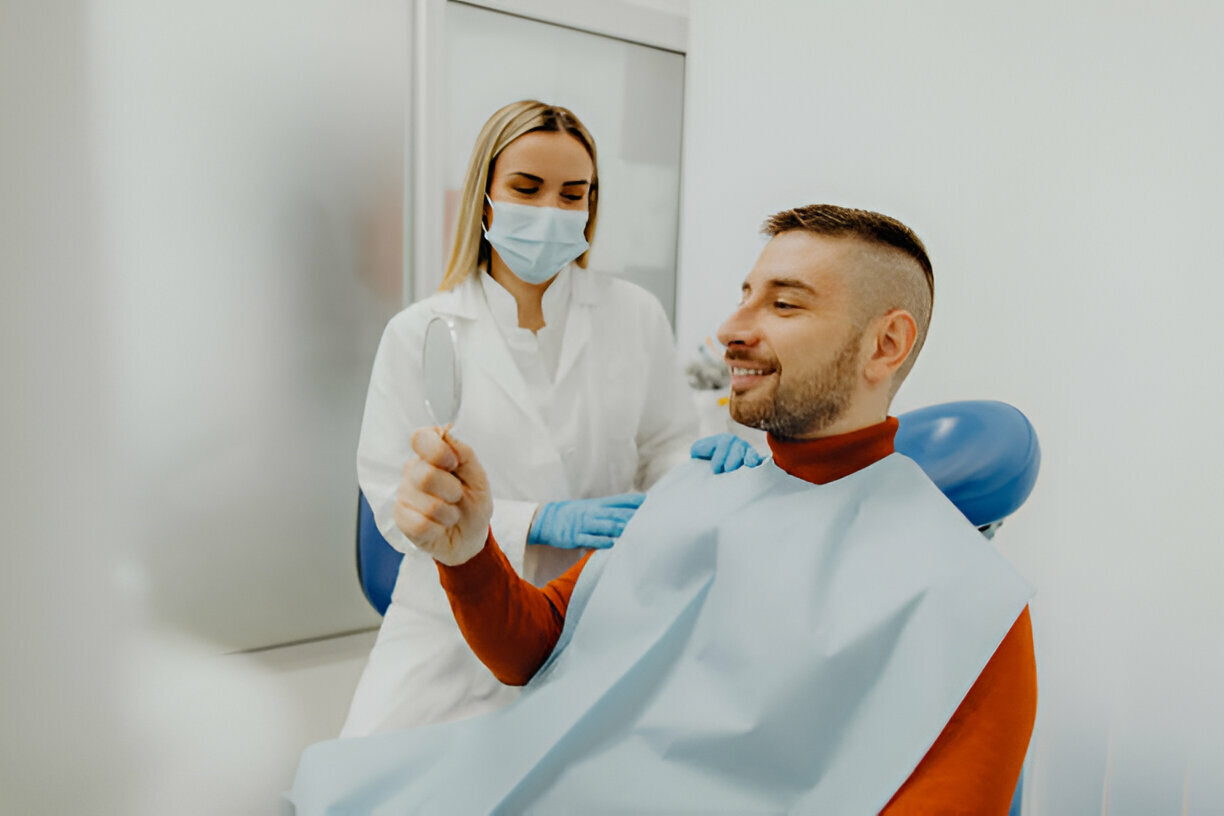
Avoid consuming hot beverages during the first 24 hours following the surgery. Start with cool beverages and avoid sucking via straws. When the numbness begins to wear off, stick to a soft food diet while avoiding chewing in the surgical region. It is also important to eat something after the surgery. A soft food diet is advised for four weeks. A chilled, pureed diet (such as smoothies) is recommended for the first day.
You may feel hard, pointy patches at the surgery site. Leave them alone; do not pick or scrape at them. Rest and relax. Limit intense physical activities during the first 3 to 4 days following surgery.
After four days, you may resume regular activity unless otherwise instructed. Notify the office personnel at your post-operative checkup.