Home Common Orthodontic Emergencies and What to Do Until Your Next Appointment

Starting orthodontic treatment is a significant step toward achieving a healthier, straighter smile.
However, certain issues may occasionally arise. From a poking wire that irritates your cheek to a loose bracket that feels uncomfortable. Knowing how to handle orthodontic emergencies at home until you can see your orthodontist makes a big difference.
Research shows that nearly one in five patients experience minor orthodontic issues during treatment, making it a common part of the treatment journey. In this article, we’ll cover:
Continue reading as we learn more about common orthodontic emergencies in the following sections.
Not every problem with braces or aligners is a true emergency. In fact, most issues are small inconveniences that you can handle at home until you see your orthodontist. For example:
These are common and usually not urgent, but it’s still a good idea to inform your orthodontist.
A real orthodontic emergency is much more serious. This includes:
The good news is that true emergencies are very rare. If you’re ever unsure, don’t panic; just reach out to your orthodontist in Corsicana for guidance.
Even with the best care, orthodontic issues can pop up when you least expect them. Knowing how to handle small emergencies can save you discomfort and prevent bigger problems later.
Here’s a quick guide to the most common orthodontic emergencies, their causes, and what you can do until your next orthodontist appointment.
Brackets can sometimes come loose if you eat hard or sticky foods, or if your braces are bumped during an accident. A loose bracket may feel wobbly or dangle on the wire, making chewing uncomfortable.
What to do:
Delaying treatment can slow down your progress. This is where understanding the stages of an orthodontist appointment helps; you will know when a quick fix is needed versus waiting for your next regular adjustment.
If a wire comes loose, it may poke your cheek, lips, or gums, causing small cuts or ulcers. This is one of the most uncomfortable emergencies.
What to do:
Even if you manage to fix it temporarily, it’s essential to contact your orthodontist. A proper adjustment ensures that your braces continue to function properly.
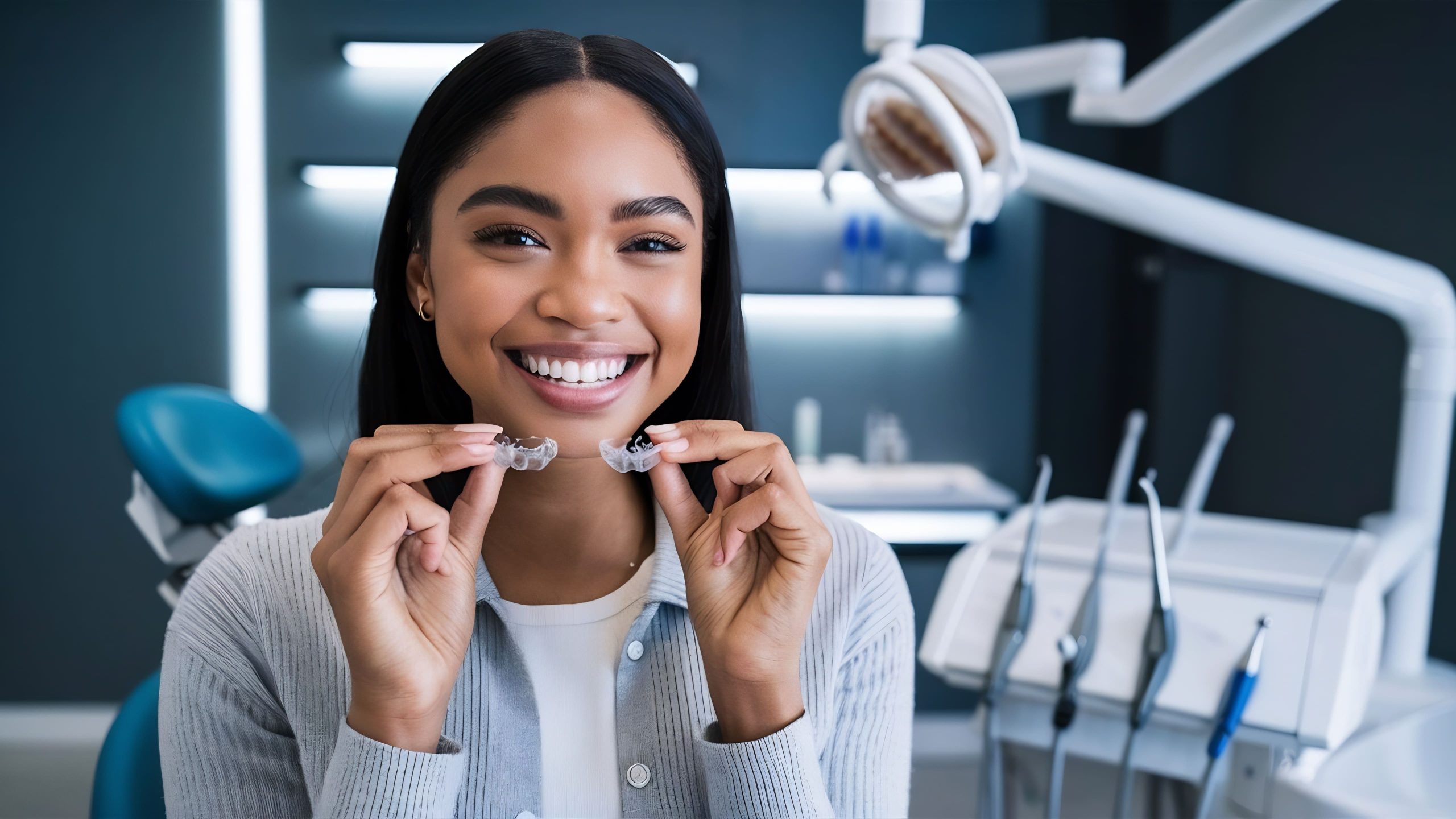
Retainers and aligners are important because they help keep your teeth in position and prevent them from shifting. If they break or go missing, it can feel stressful.
What to do:
Skipping even a few days can affect progress, so don’t wait too long before reaching out.
It’s normal to feel sore after new braces or
What to do:
The soreness usually fades within a few days as your teeth adjust. If the discomfort lasts longer, it’s worth mentioning at your next orthodontist appointment.
Braces can sometimes rub against the inside of your cheeks or lips, causing small sores. While they’re common, they can be painful.
What to do:
These sores usually heal on their own, but if they keep recurring, ask your orthodontist for advice during your next visit.
Accidents happen, whether from sports, falls, or other impacts. When braces are involved, injuries can feel even more alarming. You may notice bleeding, broken brackets, or swollen lips and gums.
What to do:
Knowing the stages of an orthodontist appointment can help you understand why emergency visits are sometimes necessary in addition to your routine checkups.
Braces do a lot of good, but they also need a little extra care to avoid unexpected problems. A few simple habits can make a big difference in keeping your treatment smooth and stress-free.
Sticky, hard, or crunchy foods can bend wires or even break brackets. Think popcorn, chewing gum, or hard candy; these are best to skip. Softer foods are always safer for your braces.
If you play contact sports, a mouthguard is your best friend. It cushions your teeth and braces, keeping both safe from sudden hits.
Braces can trap food easily. Brushing and flossing regularly prevent plaque build-up, cavities, and gum issues that might slow down your treatment.
Routine check-ups are key. Also, if you notice anything small, like a loose wire or poking bracket, tell your orthodontist right away. Fixing it early keeps things from getting worse.
Sometimes, minor issues with braces or aligners can be addressed during your next visit. But there are moments when you need help right away. If you ever feel unsure, it’s always best to contact your orthodontist or a trusted dentist in Corsicana without delay.
Here are a few situations where you should reach out immediately: