Home Root Canal Therapy for Baby Teeth in Corsicana, TX: What Parents Should Know About Saving Primary Teeth
Most parents have a misconception that taking care of the baby teeth is not required, as they are going to fall off.
However, the truth is that a healthy set of primary teeth is crucial for building a strong foundation in your child’s speech and nutrition. Oral development, and even the alignment of the permanent set of teeth.
According to the American Academy of Pediatric Dentistry, over 20% of children under age 5 experience tooth decay in their baby teeth, which can lead to pain and long-term dental problems if left untreated. This is why dentists recommend root canal therapy to save infected teeth.
In this article, we will cover:
Continue reading to learn more about root canals for baby teeth in the following sections.
Baby teeth might seem temporary and therefore not considered important to take care of, but they play a big role in your child’s growth and development.
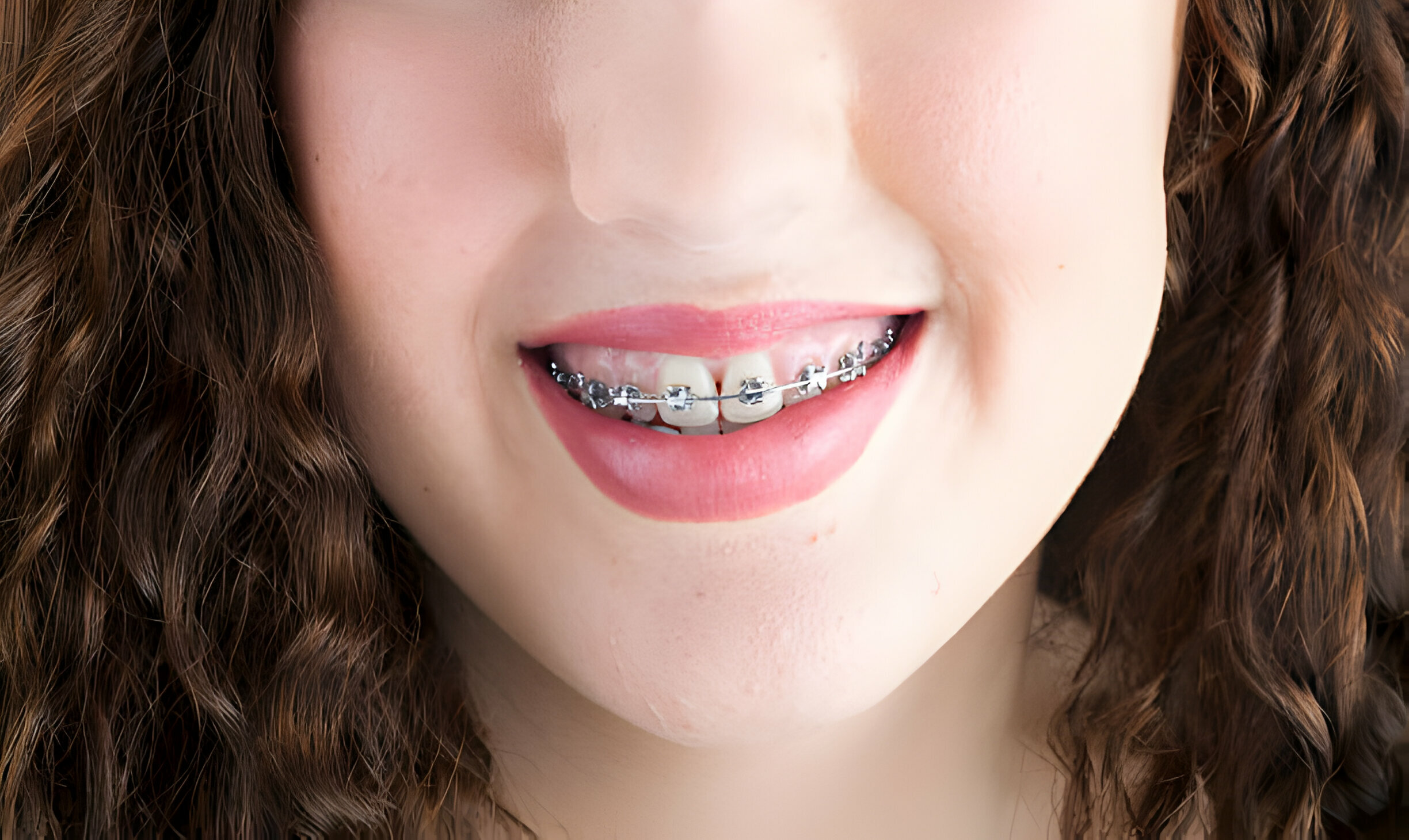
When a baby tooth falls off due to decay or injury, it leads to the neighbouring teeth shifting out of place as they try to occupy the space left. This might lead to crowding, misalignment, or bite problems, which in turn require braces later.
If we keep the set of baby teeth healthy and properly maintained, it sets the stage for strong, well-aligned adult smiles. Regular care and treatment for baby teeth helps protect your child’s long-term oral health.
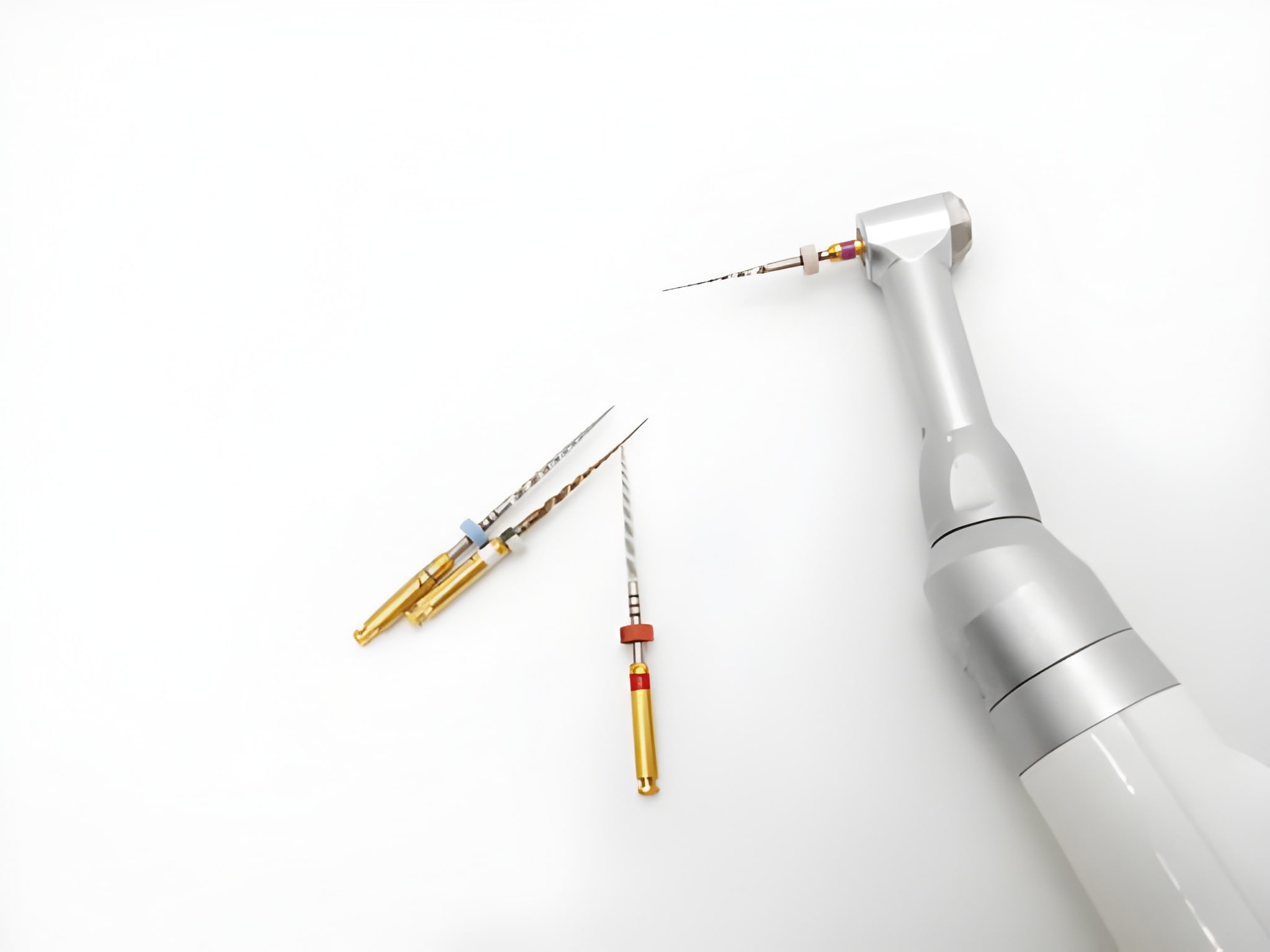
When the inner pulp becomes infected or inflamed, a gentle dental procedure is worked out to save the child’s baby tooth. This procedure is termed pediatric root canal, also known as a pulpotomy or pulpectomy.
The procedure works in a manner in which, instead of removing the entire tooth, the dentist removes the damaged part of the pulp and then seals the area to protect it from future infection.
This process helps keep the damaged tooth healthy and your child’s smile fresh and rejuvenated until the permanent tooth is ready to erupt.
A pediatric root canal is carried out when:
Root canal treatments that are carried out in adults and children are completely different. In children, dentists use less invasive and different filling materials that are gentle and suitable for young, growing teeth. The procedure is significantly faster compared to adults, and recovery time is also shorter.
When you’re looking for a dentist for root canals, then reach out to the pediatric dentists in Corsicana, TX, who are specialized in their fields and can make your experience calm and comfortable.
As a parent, seeing your child suffer because of tooth problems can be worrying. This is why you should look for the specific signs mentioned here that may indicate a need for a root canal to save the tooth.
If your child is constantly complaining of a severe toothache that does not go away, it could mean that the tooth’s pulp is infected or inflamed.
When you eat or drink something hot or cold and experience pain or discomfort, it is likely due to pulp problems.
If you notice any bumps or swollen gums near the affected tooth, it may indicate that the tooth needs prompt attention.
A tooth that looks a little different from the rest and appears darker or has a grayish tint than the rest indicates that it is suffering from internal damage.
Visiting a pediatric root canal dentist for a child, as well as for adults, might seem overwhelming at times. This is why it is essential to understand the steps involved that will alleviate your worry. Here is what you can expect:
The procedure begins with the dentist conducting a thorough and careful examination to assess the extent of the infection or damage. This helps to plan the treatment precisely.
Local anesthesia is used to keep your child comfortable during the procedure. If your child feels anxious, gentle sedation can help ease their experience and make them feel more at ease.
The next step is to remove the damaged or infected pulp inside the tooth. This helps to prevent the infection from spreading.
Once the infected pulp is removed, the inside of the tooth is thoroughly cleaned and shaped, and it is sealed with a safe filling material.
Finally, a crown is placed to strengthen and protect the tooth, allowing it to function normally.
Taking care of your teeth now will save you from much bigger problems in the future. Here is how to keep your smile healthy: