Home Braces in Corsicana, TX: A Complete Patient Guide to Getting Started
Deciding to get braces is a big step for many patients.
Some people have wanted straighter teeth for years, but never felt ready. Others are starting the process for their child and want to understand what lies ahead.
In both cases, questions usually come up long before the first appointment is scheduled.
If you are exploring braces in Corsicana, TX, this guide explains how treatment works, who braces help most, and what getting started typically looks like at a trusted dentist in Corsicana, TX. The goal is to help you feel informed before you make any decisions.
Braces are one of the most reliable ways to correct crooked teeth, bite problems, and spacing issues. They work gradually, guiding teeth into healthier positions over time. While the idea of braces may feel overwhelming at first, the process itself is usually more manageable than patients expect.
With so many modern dental treatments available, some patients wonder if braces are still necessary. The short answer is yes. Braces remain one of the most effective tools for correcting alignment and bite issues.
Braces are commonly recommended to:
Normal, straight teeth are easy to clean and maintain. Over time, this can help reduce the risk of cavities, gum disease, and uneven tooth wear.
Recognizing this impact on overall dental health sets the stage for understanding who can benefit from braces and why the right timing matters.
Braces are not only for teenagers. Many adults in Corsicana choose braces later in life after years of putting it off.
Braces can be helpful for:
Dentists in Corsicana, TX, evaluate each patient individually, providing treatment recommendations that are based on oral health, alignment needs, and long-term goals rather than age alone.
Some patients feel nervous about starting braces as adults. Interestingly, that reaction is more common than you might expect.
The first step in getting braces is an early assessment. The main goal of this consultation is to learn more about your teeth, bite, and general oral health.
This appointment is also a chance to ask questions:
This step sounds technical, but it is actually very straightforward. It helps create a clear plan before anything begins.
While traditional braces are common, there are different options depending on the patient’s needs.
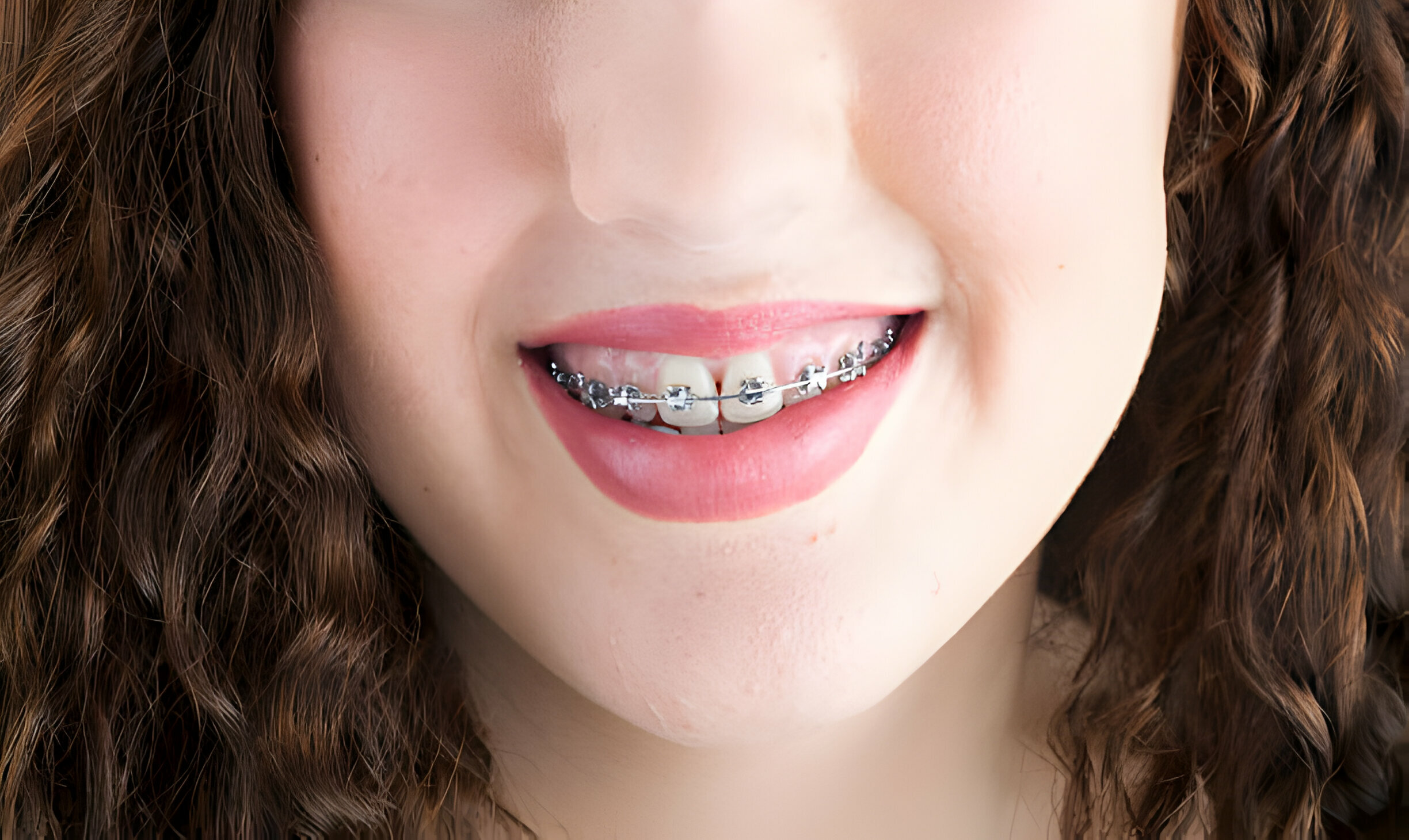
Metal braces are strong, reliable, and effective. They are often used when more complex tooth movement is needed.
Ceramic braces work like metal braces but use tooth colored brackets. Some patients prefer them because they are less noticeable.
Your dentist explains which option best fits your situation. The choice depends on alignment needs, comfort, and lifestyle considerations. This is also where a lot of confusion often arises.
The first few weeks are often an adjustment period. Teeth may feel sore as they begin to move, and the mouth may need time to adapt.
Common early experiences include:
These feelings usually fade as the mouth adjusts. Simple care tips and guidance from your dentist help make this phase easier.
Note: Some patients feel nervous here; others feel excited. Both reactions are normal.
Once the adjustment period passes, braces become part of everyday life.
To protect the brackets and wires, avoid these foods. Food that is firm or sticky can hurt. Most patients soon figure out what works best for them.
Braces treatment makes it even more crucial to take care of your teeth. Cleaning around brackets and brushing gently can help prevent plaque buildup. To keep your teeth healthy throughout treatment, your dentist or dental team will instruct you on proper toothbrushing techniques. This is where habits generally have the most effect.
Braces work slowly, so you need to go to the dentist for regular checkups. The dentist checks on progress and makes changes to the wires during these sessions.
These meetings:
Patients usually think that adjustment appointments will last longer than they do. Changes become clear with time. Patients typically see their smile change for the first time at this point.
Treatment length varies based on alignment needs and how teeth respond. Some patients finish sooner than expected, while others need more time.
What matters most is consistency. Following instructions and attending appointments helps keep treatment on track.
A dentist in Corsicana, TX, provides guidance throughout the process so patients know what to expect as treatment progresses.
Choosing a local provider for braces in Corsicana, TX, makes the process easier. Regular visits, questions, and follow-ups are more convenient when your dental team is nearby.
Patients often feel more comfortable seeing familiar faces throughout treatment. That continuity builds trust and confidence. A local dentist in Corsicana, TX, understands the community and provides care that feels personal rather than rushed.
Most patients feel pressure or soreness at first, but it usually fades as the mouth adjusts.
Yes. Many adults choose braces to improve function and appearance.
Some patients notice minor changes early on, but speech usually returns to normal quickly.
Braces are a proven approach to fix alignment, enhance biting function, and keep your teeth healthy for a long time. Understanding the process makes getting started feel far less overwhelming. Braces may be a normal part of life if you get the correct help.
If you’re thinking about getting braces in Corsicana, TX, talking to a Navarro Dental Center trusted dentist will help you learn about your options and feel confident about taking the initial step.