
A root canal might sound intimidating, but modern dental advancements have made this procedure virtually painless. At Navarro Dental Center in Corsicana, our dentists for root canal treatments ensure a smooth and comfortable experience. This blog explores what a root canal involves, why it’s necessary, the procedure itself, and what to expect before, during, and after treatment. We’ll also debunk common myths and explain why choosing an experienced dentist in Corsicana, Texas, makes all the difference.
A root canal is a dental procedure that removes infected or inflamed pulp from the inside of a tooth. This treatment is designed to save your natural tooth by eliminating infection, preventing further decay, and relieving pain. Without it, a severely infected tooth might need extraction, leading to additional oral health complications.
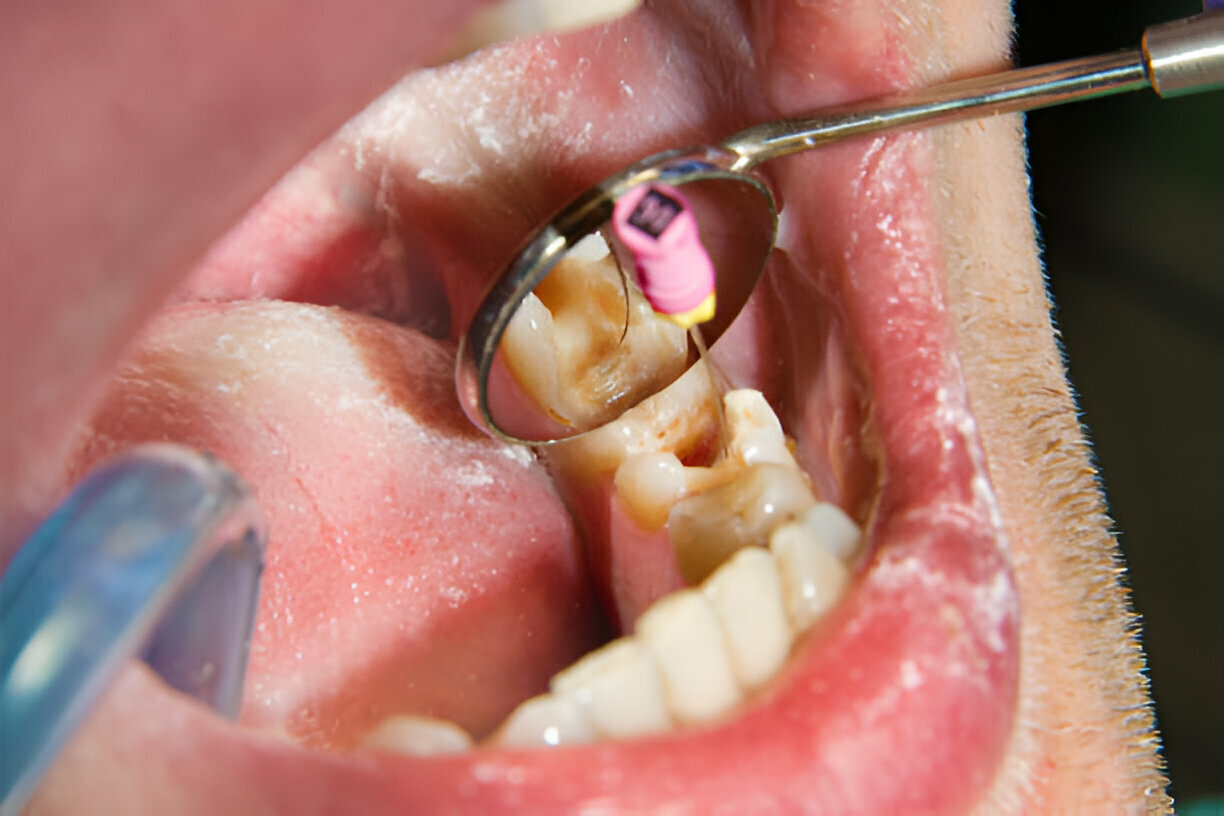
A root canal becomes necessary when the pulp inside your tooth, containing nerves, blood vessels, and connective tissue, becomes infected or inflamed. This condition can result from deep decay, repeated dental procedures, cracks, chips, or trauma to the tooth. If left untreated, the infection can spread, leading to more severe oral health issues, including tooth loss or infections that impact overall health.
Here are some key symptoms that may indicate the need for a dentist for a root canal:
A toothache that doesn’t go away—even after eating, drinking, or taking pain relievers—could be a sign of infected pulp. The pain may be constant or come and go but typically worsens over time.
If you experience sharp or lingering pain after consuming hot or cold foods and beverages, it may indicate nerve damage inside the tooth. Unlike normal sensitivity, which fades quickly, this discomfort lingers, signaling a deeper issue.
Inflammation around the affected tooth can point to an underlying infection. Swollen, red, or tender gums, especially if they feel painful when touched, may indicate deep decay or an abscess forming beneath the gums.
A darkening or grayish tooth could mean the nerves deteriorate due to infection or trauma. This discoloration occurs when the pulp tissue breaks down, cutting off blood flow to the tooth.
A small bump, often filled with pus, on the gum near a painful tooth may indicate an abscess. If not treated promptly, this severe infection can spread to surrounding teeth, the jawbone, and even the bloodstream.
Ignoring these symptoms can lead to severe complications, such as bone loss, tooth loss, and infections spreading to other areas of the body. If you experience these signs, schedule an appointment with your dentist as soon as possible. A timely root canal can save your tooth, relieve pain, and restore oral health.
The phrase “root canal” often evokes fear, but reality differs. The procedure is no more painful than getting a standard dental filling, thanks to modern anesthesia and advanced technology.
Pain is usually associated with the infected tooth before the treatment, not the procedure itself. Root canals relieve pain by removing the infection and pressure caused by inflammation.
The entire procedure typically lasts 30 to 90 minutes. Some cases may require two visits, especially if the infection is severe. However, at Navarro Dental Center, our skilled dentists in Corsicana, Texas, ensure an efficient and comfortable experience.
Did you know that over 15 million root canals are performed annually in the U.S.? Despite their bad reputation, this treatment has a 95% success rate, preserving natural teeth for many years!
Once your root canal is complete, mild discomfort may last a few days. Here’s how you can manage it:

Neglecting treatment can cause:
A root canal is always preferable to tooth loss for oral health and financial reasons.
If you’re experiencing tooth pain, sensitivity, or swelling, don’t wait. Navarro Dental Center offers expert root canal treatments with a gentle touch. Let our experienced team restore your smile and eliminate pain efficiently. Call us today to schedule your consultation!