Despite the air of mystery around oral treatment, a root canal is the go-to treatment option for 85% of individuals. Stats suggest that thousands of individuals opt for RCT daily.
‘Root canal therapy’ is the most misunderstood treatment because individuals do not know the procedure. Understanding the step-by-step process can help you demystify the confusion and guide you through dentistry for root canals.
Keeping the same in mind, this blog explores:
Let’s learn more about these topics in the following sections.
A root canal is an oral procedure to save a severely infected or decayed tooth. The procedure involves removing the infected pulp from inside your tooth, followed by its thorough cleaning and sealing.
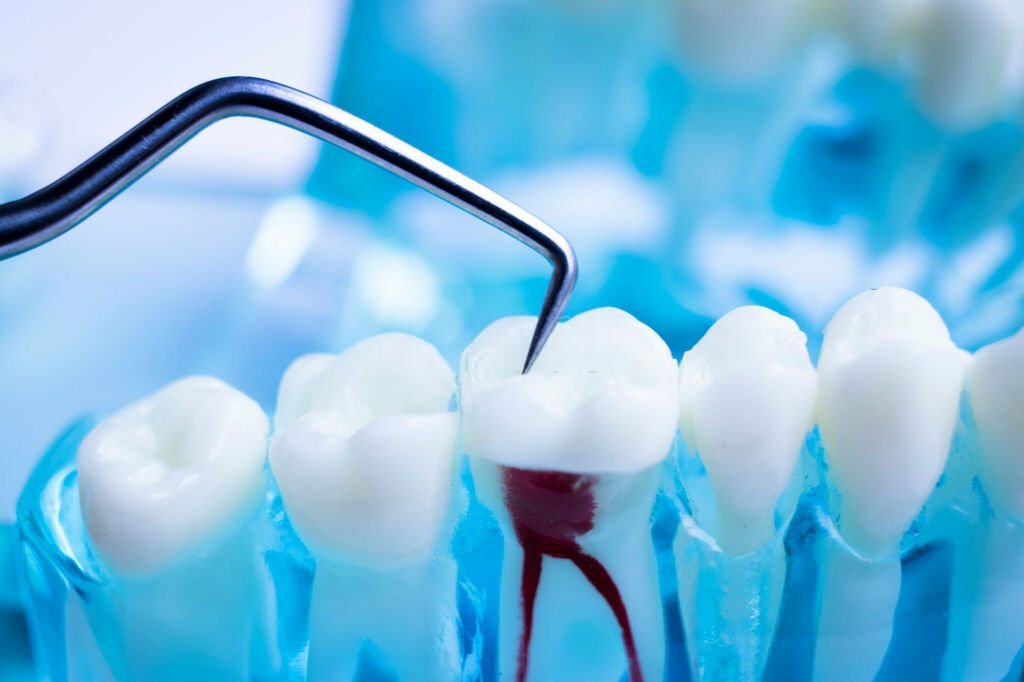
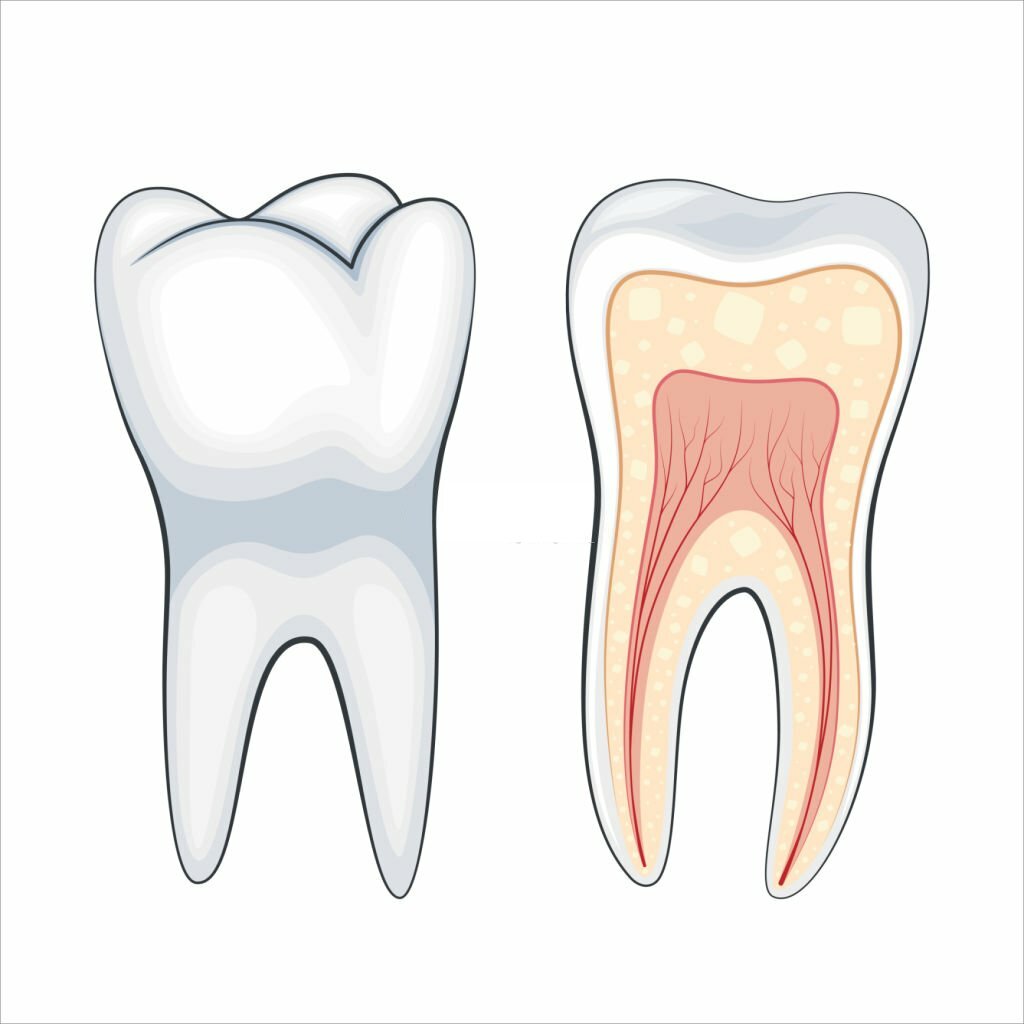
Pulp is the soft tissue that includes nerves, blood arteries, and other connective tissue. Once the pulp becomes infected or injured, it can be highly uncomfortable and painful, giving you severe pain in the jaw and cheeks.

Your only option is to visit a dentist for root canals and undergo the treatment. These experts can eliminate the pain while removing the diseased pulp and preserving your tooth.
Many individuals have this question in mind when visiting their nearest canal treatment experts. Interestingly, the treatment is necessary because there are several benefits to RCT therapy.
Here’s an overview of some of the perks of the treatment procedure:
When you visit your nearest dentist in Corsicana, they will examine you for possible root canal indications. Once the dentist is sure about the problem, they will walk you through the procedure, which can be divided into different stages, namely:
When you arrive for your RCT appointment, the dentist will numb the region with a local anesthetic (often Novocaine). Since the numbing medication must be injected into the gums and the tooth’s root, this is possibly the most painful portion of the surgery. The discomfort will be brief, like any other injection, and the numbness will arrive quickly.

The operation will begin after the preparation is complete. The steps are straightforward and uncomplicated. The initial step is to access and clean the diseased roots.
Your dentist drills through the crown to expose the root canals and pulp chamber. You may feel some pressure in the region where we are drilling, but you should not experience any pain due to the Novocaine.
After creating an access hole, the dentist will use specialized files to remove the diseased pulp carefully. After removing the diseased pulp, the space is filled with gutta-percha, a rubber-like substance.
Once the space is filled, the dentist will place a crown to stabilize and strengthen the cavity. Before you know it, the RCT is complete!
Most visits are 30 to 60 minutes, but more difficult situations might take an hour and a half. The average recovery period is three days.
If you experience discomfort, sensitivity, or pain lasting more than 4 or 5 days, visit your Root canals experts as soon as possible.
The answer is pretty straightforward! You know it is time to connect with your nearest oral expert if you come across any of these symptoms:
Pain is among the most evident indications of a dental infection. You may experience it abruptly or in waves from an infected cavity. This can further worsen when you lie or sit down.
What’s more? The recurring pain might sometimes be accompanied by sensitivity to cold and hot meals or drinks. Although sensitivity does not necessarily imply an infection, it should be evaluated by your dentist.
Swollen or darkened face gums are among the most obvious RCT symptoms. The gums might bulge as the soft tissue around an infected tooth gets inflamed. When brushing, this might cause slight pain or bleeding.
When you have an infection, your gums may also deepen in color. Pay attention to these warning flags. Even if an RCT is not required, changes in the look or size of your gums should be reported to your dentist.
Small pimples on the gums indicate an infection near the root. While they may recur like edema and discomfort, they will not go alone. You are more likely to lose your teeth when you wait to see your dentist.
RCT is more likely if the tooth generating the pain and sensitivity is compromised. When a molar is chipped, cracked, or broken, the softer tissue within becomes exposed, leading to infection.
Repairing the damage as soon as possible might help avoid needing an RCT. Inlays, onlays, fillings, and crowns are a great way to heal damaged teeth.
If the infection is severe enough, you may develop an abscess. This might result in a severe infection, swelling, and leakage from within and around the tooth. This can cause a particularly unpleasant aftertaste in the mouth and chronic foul breath, even after brushing and washing.
Ignoring the symptoms of an infected tooth is one of the most severe mistakes numerous individuals make. Therefore, no matter the severity of your condition, if you have a swollen face, severe pain, or a damaged molar, consult the dentist as soon as possible.
Whatever symptoms you are experiencing, you may schedule an appointment to address any of your dental issues. Remember, a thorough examination can differentiate between lost or rescued teeth.